
Palmetto Bay is home to a vibrant community of people who love staying active, exploring the arts, and trying something new. If you’re searching for a dance studio in Palmetto Bay, FL, finding the right fit is just as important as finding the right style.
At Miami Dance Project, we welcome dancers of all ages and experience levels. Some students are taking their very first class. Others have been dancing for years and want to keep developing their technique or performing.
Whatever brings you through our doors, we’ll help you find a class that feels right.
Our Dance Classes in Palmetto Bay

Acro Dance Classes
Acro Dance brings traditional dance movement together with balance, flexibility, strength, and controlled acrobatic skills.
Students learn how to connect those skills to music and choreography instead of treating them as separate tricks. Classes focus on safe progression, coordination, body control, and proper technique.
Acro is a strong choice for dancers who enjoy tumbling, stretching, and physical challenges. It can also support the strength and flexibility used in other dance styles.
Ballet
In our ballet classes in Palmetto Bay, dancers learn how posture, placement, timing, and control work together. Even a basic position takes concentration, which is exactly why ballet gives students such a useful foundation.
Beginners are welcome. More experienced dancers can use ballet to sharpen details that show up everywhere else, from balance and turns to the way they carry themselves through choreography.
It is a patient style. Progress often happens slowly, then suddenly, a movement that felt impossible makes sense.

Contemporary
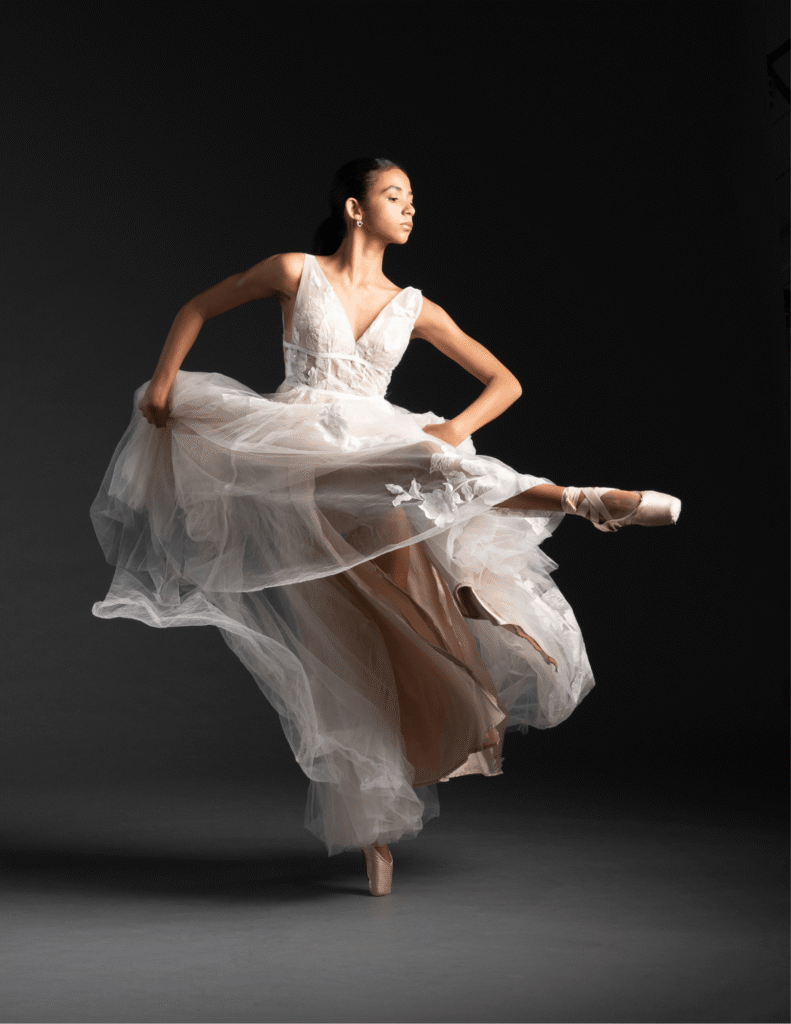
Contemporary dance combines technique with expression, musical interpretation, and storytelling.
In our contemporary dance classes in Palmetto Bay, dancers may work on fluid combinations, floor work, improvisation, balance, and changes in level.
The movement can feel soft in one moment and powerful in the next. Contemporary often appeals to people who want to communicate an idea or emotion through movement.
Jazz
Jazz combines strong technique with energetic movement and performance quality.
Our jazz dance classes in Palmetto Bay may include turns, jumps, kicks, isolations, flexibility, musical timing, and expressive choreography.
Jazz suits dancers who enjoy upbeat routines and bold movement. It also helps build the precision and stage presence needed for performance.


Hip-Hop
Hip Hop is grounded, rhythmic, and full of personality.
Our hip hop dance classes in Palmetto Bay help dancers develop timing, coordination, groove, musicality, and performance skills. Choreography may draw from both foundational and current hip hop movement.
There is structure, but there is also room for individuality. Two people can learn the same combination and make it feel completely different.
Dance Classes for Every Age and Stage
Our kids dance classes in Palmetto Bay cover first-timers and students who’ve already found their footing.
The kid who can’t sit still when music plays? Hip Hop or Jazz, probably. Ballet suits the dancer who likes things in order. Contemporary’s the odd one out. Less about doing it right, more about doing it your way.
Our teen dance classes in Palmetto Bay build on technique, musicality, and stage presence and set the groundwork for more for those teens who have already decided that this matters.
Our youth dance programs in Palmetto Bay leave room for both: the student who dances purely for joy, and the one chasing something more serious.
A Palmetto Bay Dance School for Different Goals
The right dance school in Palmetto Bay should give beginners room to learn and experienced dancers somewhere meaningful to keep growing.
At Miami Dance Project, we help people choose classes based on age, experience, interests, and goals. No one should feel as though they need to arrive already knowing where they belong.
Our dance lessons in Palmetto Bay can be recreational, technical, expressive, or performance-focused. The important part is finding the class that makes you want to return.
Ready to Find Your Class?
Choosing a dance style is easier when you can talk through your options with someone who knows the classes.
Explore our schedule, register online, or call us at (305) 595-1115. At Miami Dance Project, we’ll help you find a class that fits your experience, your interests, and what you want from dance.

FAQ's
What should I ask a dance school in Palmetto Bay before enrolling?
Do you offer kids' dance classes in Palmetto Bay?
What should I expect from my first dance class?
How do I choose the best dance studio in Palmetto Bay?
Why choose Miami Dance Project as your Palmetto Bay dance school?
E-mail: barbara@miamidanceproject.com
Address:
Miami Dance Project 8940 SW 129th,Terrace Miami, FL 33176
Hours:
Monday-Friday: 9:00 – 4:00PM
Saturday: 9:30 –1:30 PM
Sunday: Closed

Ready To Fly?
Register for Classes today for 2026 Season
Miami Dance Project, established in the year 2000, stands at the forefront of the dance industry, known not only for its advanced training programs and innovative choreography but also for its profound commitment to serving the community.