
Kendall is a suburban community where families are always looking for something worthwhile to do together, and joining a dance studio in Kendall gives everyone a place to move, connect, and make the week feel a little less routine.
Children can burn off energy in a class that keeps them engaged. Teens get space to express themselves and grow more comfortable in how they move. Adults can step out of the house, meet people, and do something that belongs entirely to them.
At Miami Dance Project, we welcome all three. We offer dance classes in Kendall for young children, teens, adults, beginners, experienced dancers, and performers, so the whole family can find a reason to walk through our doors.
Our Dance Classes in Kendall
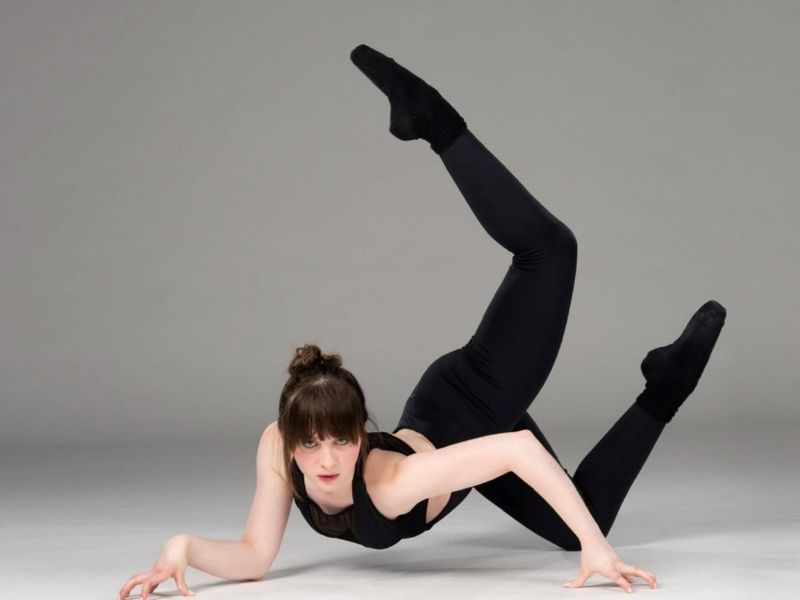
Acro Dance Classes
Some dancers want a class that keeps them moving from the first minute. Acro usually does exactly that.
Students work on balance, flexibility, strength, and controlled acrobatic skills, then learn how to fit those movements into choreography. It is not just about landing a trick. The movement still has to look and feel like dance.
Acro dance classes are a natural fit for anyone who enjoys tumbling, stretching, and testing what their body can do.
Ballet
Ballet slows things down enough for dancers to notice every detail.
In our ballet classes in Kendall, students work on placement, timing, posture, and control. A small correction can change the way an entire movement feels.
Beginners learn the foundations without being rushed. Experienced dancers use ballet to clean up the details that follow them into every other class.
Progress can be quiet. Then a turn feels steadier, a balance lasts longer, and suddenly the work begins to show.
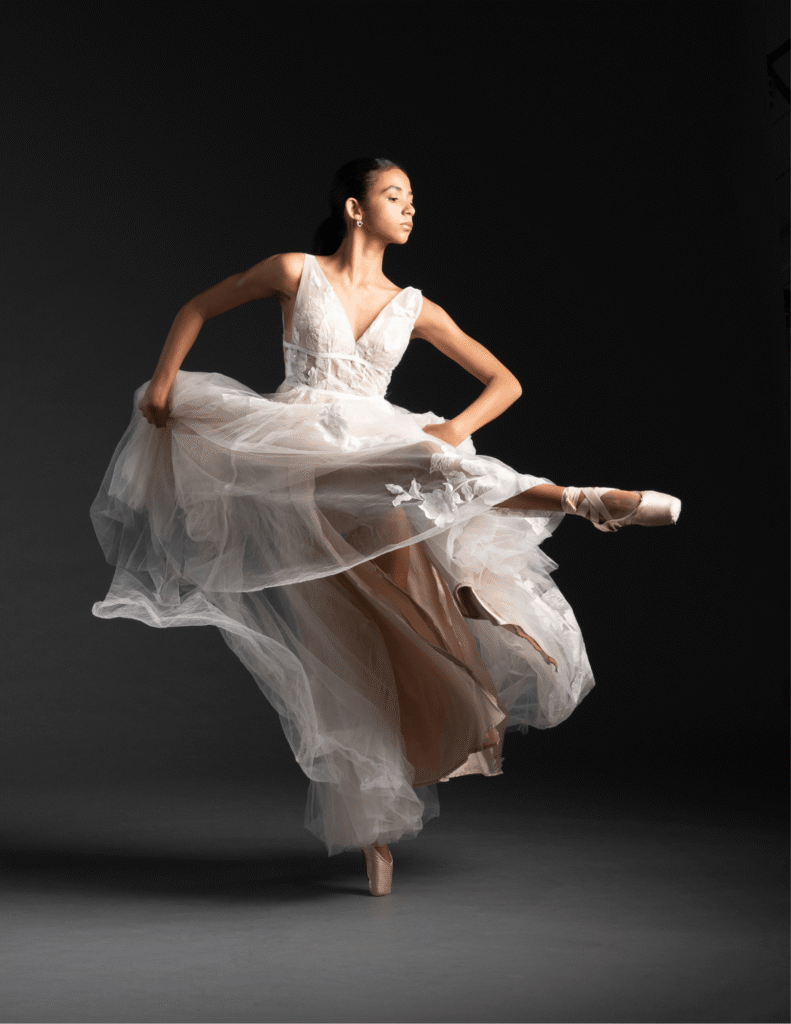

Contemporary
Contemporary dance gives dancers somewhere to put the feelings that are difficult to explain.
Our contemporary dance classes in Kendall use floor work, shifts in weight, improvisation, and choreography that follows the mood of the music. Sometimes the movement is soft. Sometimes it takes over the whole room.
This style often clicks with teens and adults who want more freedom to interpret what they hear. The steps matter, but what the dancer brings to them matters too.
Jazz
Jazz does not give dancers much time to switch off.
Our jazz dance classes in Kendall move through turns, kicks, jumps, isolations, and choreography with a strong performance edge. The pace keeps dancers thinking while the movement asks them to commit.
It suits people who enjoy sharp timing, big movement, and the feeling of being fully present in the room.


Hip-Hop
Hip Hop is for the person who hears a beat and starts moving before anyone asks.
Our hip hop dance classes in Kendall work on rhythm, timing, groove, coordination, and performance. Dancers learn choreography while finding out how much personality they can bring to the same combination.
Children can use the energy. Teens can make the movement their own. Adults get a class that feels active, social, and far more interesting than another evening at home.
Kinder Dance Classes
Not every young child is ready to walk into a formal class and immediately know what to do. Kinder Dance is built around that reality.
Music comes first. Then movement, rhythm, and simple activities are designed for the way children between two and five actually learn.
Families looking for toddler dance classes in Kendall or preschool dance classes in Kendall often begin here. The children get to move, listen, join in, and become comfortable in the studio without feeling as though every step is a test.

Dance Classes for Every Age and Stage
Our kids dance classes in Kendall give children somewhere useful to put all that energy. The class keeps them moving, but it also gives the movement direction.
The child who starts dancing as soon as music plays may head straight for Hip Hop or Jazz. Ballet often suits the one who likes order. Contemporary dance gives expressive dancers more room to experiment.
Our teen dance classes in Kendall offer something different. Teens can train seriously, perform, or simply find a place where they can communicate without having to explain themselves first.
Our youth dance programs in Kendall leave room for both kinds of dancers: the student who comes because it is the best hour of the week and the one who wants to see how far dance can take them.
Adults are not standing on the sidelines. Some start from scratch. Others return after years away, join our adult dance company, and take part in professional performance opportunities when they arise.
A Kendall Dance School for the Whole Family
A dance school in Kendall should have something for the toddler who cannot stop moving, the teenager who needs a creative outlet, and the adult who is ready to get out of the house.
At Miami Dance Project, we help each dancer find a class based on age, experience, interests, and goals. No one has to arrive already knowing where they belong.
Our dance lessons in Kendall can be recreational, technical, expressive, or performance-focused. The point is not for every dancer to want the same thing. It is to give each one somewhere to keep going.
Ready to Find Your Class?
Joining a dance studio in Kendall, FL, can give the whole family something to look forward to during the week, and at Miami Dance Project, we want to help you make this a reality.
Explore our schedule, register online, or call us at (305) 595-1115. We will help you find a class that fits your age, your experience, and what you want from dance.

FAQ's
Can different members of the same family take classes?
Yes! We welcome young children, school-age dancers, teens, and adults so that everyone can have fun. Our classes are split by age and experience level, and we even offer preschool dance classes for Kendall’s youngest dancers.
What should I ask a dance school in Kendall before enrolling?
Do you offer kids' dance classes in Kendall?
Can adults join without previous dance experience?
How do I choose the best dance studio in Kendall?
E-mail: barbara@miamidanceproject.com
Address:
Miami Dance Project 8940 SW 129th,Terrace Miami, FL 33176
Hours:
Monday-Friday: 9:00 – 4:00PM
Saturday: 9:30 –1:30 PM
Sunday: Closed

Ready To Fly?
Register for Classes today for 2026 Season
Miami Dance Project, established in the year 2000, stands at the forefront of the dance industry, known not only for its advanced training programs and innovative choreography but also for its profound commitment to serving the community.